

Best Handyman Services in Jacksonville FL: 2026 Guide
Table of Contents
How We Compared the Best Handyman Services in Jacksonville FL
What Homeowners Should Look For First
Side-by-Side Comparison: What Separates Top Handyman Services
Handyman Services for Carpentry, Plumbing, and Electrical Work
What Is the Handyman Hourly Rate in Florida?
What Actually Goes Into a Handyman Quote
Hourly Versus Project Pricing: When Each Makes Sense
How to Read an Estimate Before You Sign
Handyman License and Insurance Requirements in Florida
Questions to Ask Before Hiring a Handyman
Choosing the Right Provider for Your Job
Match the Job to the Provider Type
Use Urgency and Complexity as Filters
Confirm Credentials Before You Commit
Ask About Warranty and Callbacks
Conclusion
Frequently Asked Questions
Last Updated: October 18, 2026
How We Compared the Best Handyman Services in Jacksonville FL
Finding the best handyman services in Jacksonville FL starts with a simple truth: the cheapest quote rarely produces the best outcome. This guide from TNT Repairs It breaks down how we evaluate providers, so you can compare them on evidence rather than advertising.
We score every provider on five criteria: licensing and insurance status, the range of trades covered under one roof, pricing transparency, review consistency over time, and warranty terms. A provider that scores well on all five is worth a premium.
Here's what most guides get wrong: they rank providers by star rating alone. A five-star average built on twelve reviews tells you far less than a four-and-a-half average built on three hundred.
What Homeowners Should Look For First
Before comparing names, confirm three things: current licensure, active liability insurance, and a written scope of work. Florida's construction industry rules are enforced by the Florida Department of Business and Professional Regulation, and you can verify a contractor's license status there directly.
Then check coverage. A provider that handles carpentry, drywall, painting, and fixture installation in one visit saves you the coordination headache of booking three separate trades.
Side-by-Side Comparison: What Separates Top Handyman Services
Top handyman services differ from average ones on four measurable points: response time, trade breadth, pricing structure, and how they handle callbacks. Use this comparison framework when you evaluate providers yourself.
Criterion | Strong Provider | Weak Provider |
Licensing | Verifiable state license | Vague or "pending" |
Insurance | Certificate on request | Deflects the question |
Pricing | Written, itemized estimate | Verbal ballpark only |
Trade coverage | Multiple trades, one crew | Single-skill only |
Warranty | Written workmanship guarantee | None offered |
Reviews | Consistent across years | Clustered recently |
The pattern is clear: strong providers volunteer documentation before you ask. Weak ones make you chase it.
Pro Tip Ask for the certificate of insurance to be emailed to you directly, not just shown on a phone screen. A legitimate provider will send it within the hour.
Handyman Services for Carpentry, Plumbing, and Electrical Work
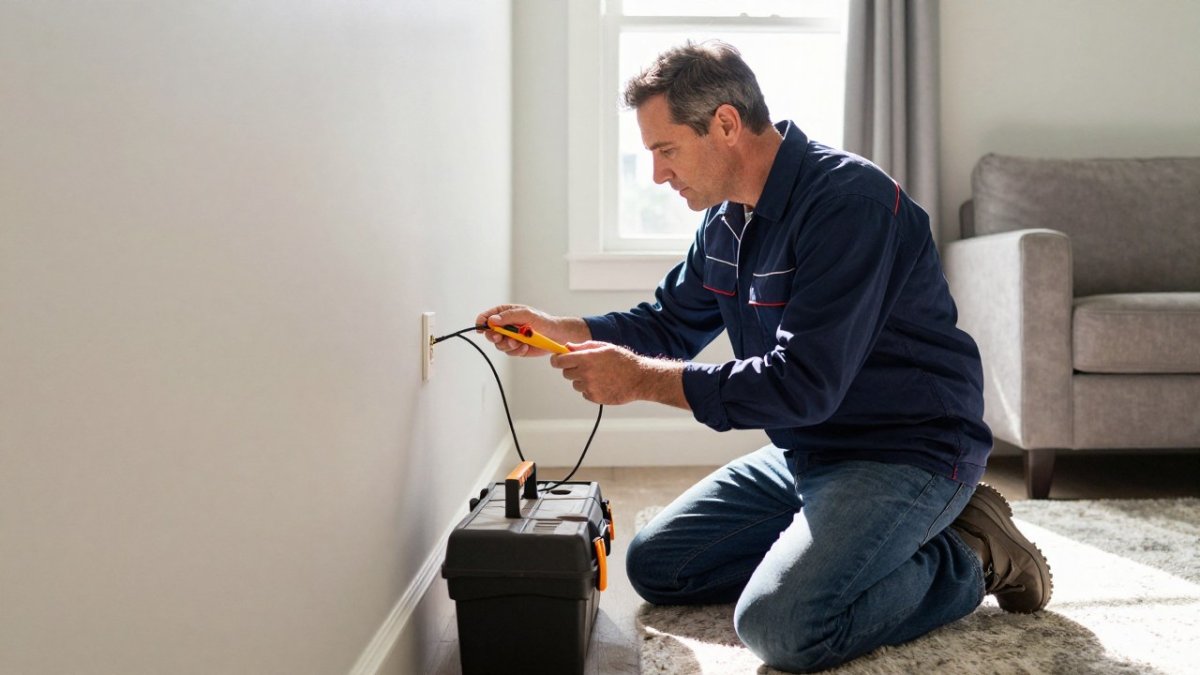
Carpentry, plumbing, and electrical work are the three trades homeowners most often need bundled together, and the three most often split across contractors.

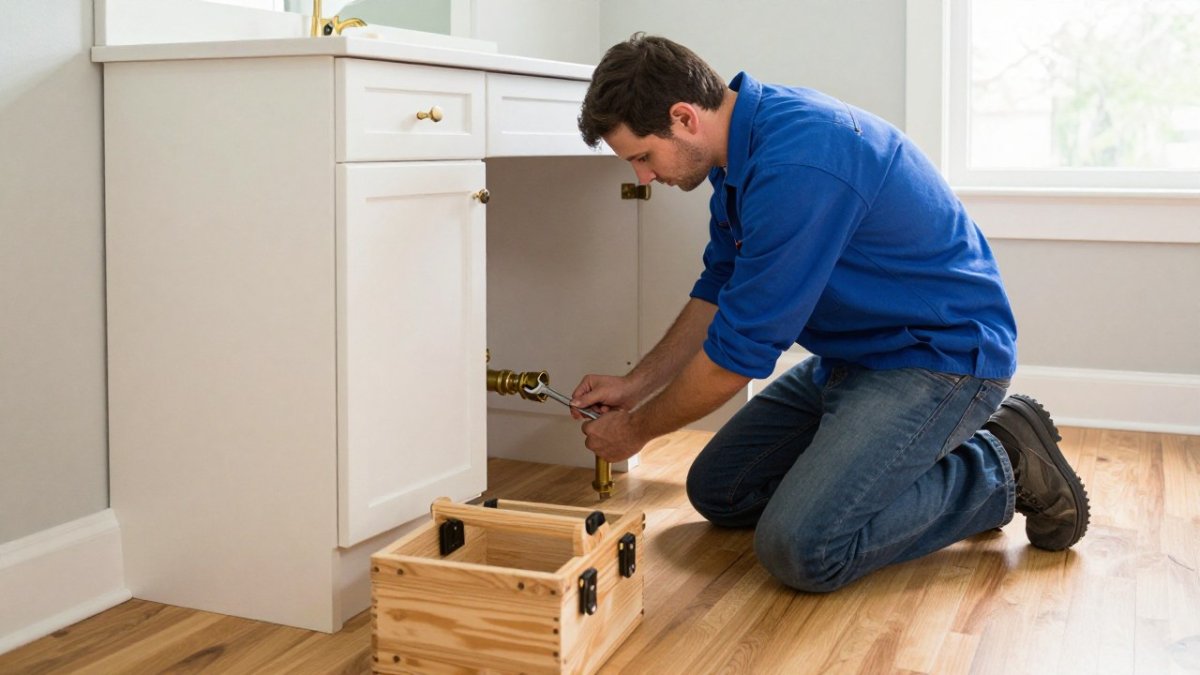
Carpentry covers door repair and installation, trim, shelving, and framing repairs. Plumbing work at handyman level typically means fixture installation, leak fixes, and replacing faucets or toilets.
One caution: in Florida, work beyond minor repairs may require a licensed specialty contractor. A reputable provider will tell you when a job crosses that line rather than quietly taking it on.
Watch Out Hiring an unlicensed provider for electrical or plumbing work can void your homeowner's insurance coverage for any resulting damage. Confirm licensing before work begins, not after.
What Is the Handyman Hourly Rate in Florida?
There is no single statewide handyman hourly rate in Florida. Rates vary by market, job complexity, and whether the provider charges hourly or by project. What most guides skip is how the pricing mechanics actually work, so here is the itemized breakdown you can use to compare quotes line by line.
Most providers use one of three pricing models:
Hourly rate: billed per hour worked, best for small jobs and punch lists
Minimum rate: a flat call-out fee covering the first block of time
Project pricing: a fixed quote for a defined scope of work
For larger projects, project pricing protects you from surprise overruns. For small jobs, expect a minimum charge regardless of how quickly the work finishes. Ask which model applies before booking, and request the estimate in writing.
What Actually Goes Into a Handyman Quote
A written estimate should separate labor from materials and list any add-ons. The line items to look for:
Labor: hours estimated times the hourly rate, or a flat project price
Minimum charge or trip fee: a call-out amount that applies even if the job finishes early
Materials: whether the provider supplies them and at what markup, or whether you buy them
Permit fees: pass-through cost when a job requires a permit
Disposal or haul-away: a separate charge for removing old fixtures, debris, or packaging
Travel or service-area fee: common when the provider covers a wide radius
A quote that shows only a single number hides these variables. A quote that itemizes them lets you compare providers on the same scope.
Hourly Versus Project Pricing: When Each Makes Sense
Hourly pricing works in your favor when the scope is small and predictable, such as tightening cabinet hinges, replacing a faucet, or patching a few drywall holes. It works against you when the job is exploratory, because the clock keeps running while the provider diagnoses the problem.
Project pricing works in your favor when the scope is defined and larger, such as a bathroom refresh, a door replacement, or a multi-room punch list. It protects you from overruns but usually carries a premium for the provider's risk. The trade-off is simple: hourly shifts timing risk to you, project pricing shifts it to the provider.
How to Read an Estimate Before You Sign
Ask three questions of every estimate:
Does the price include materials, or are they billed separately?
What happens if the job takes longer than estimated, and is there a cap?
Are there add-on charges for disposal, travel, or after-hours work?
A common pattern is for the final invoice to exceed the estimate when materials and disposal were never itemized. Getting those lines in writing before work begins is the single most effective way to avoid that outcome.
TNT Repairs It does not publish fixed rates because pricing depends on the scope of each job. Call for a free estimate tailored to your project.
Handyman License and Insurance Requirements in Florida
Florida does not issue a single "handyman license." Instead, the state regulates contractors by trade and by project value. That distinction matters enormously when you hire.
Under Florida law, construction work above certain thresholds requires a licensed contractor, and the Florida DBPR licensing portal lets you check any individual or company. Local Jacksonville requirements can add layers on top of state rules, so confirm with the city or county before a large project begins.
Insurance matters just as much. Ask for:
General liability coverage
Workers' compensation coverage
A certificate naming the policy dates
If a provider cannot produce these, walk away. The savings are never worth the liability.
Key Takeaway Licensing and insurance are the two checks that eliminate most bad hires before you ever discuss price.
Questions to Ask Before Hiring a Handyman
The questions to ask before hiring a handyman should surface how a provider handles scheduling, scope changes, and problems. Ask them before you sign anything.
Are you licensed and insured, and can you email proof?
Do you provide a written, itemized estimate?
Who handles permits if the job requires one?
What is your policy on callbacks if something fails?
How do you handle a scope change mid-project?
Can you provide references from similar jobs?
What is your availability for emergency repairs?
The answers reveal more than any marketing page. A provider who answers all seven without hesitation is organized. One who dodges two or three is telling you something.
For senior homeowners and veterans, ask directly about discounts. TNT Repairs It offers senior and veteran discounts, and a straight answer here tells you whether advertised discounts are real or decorative.
Choosing the Right Provider for Your Job
Matching the provider to the job matters more than finding a single "best" company. A provider built for large renovations may overcharge for a loose cabinet hinge. A solo operator may lack the crew for a full bathroom remodel. The framework below matches job type, urgency, and complexity to the kind of provider that fits.
Match the Job to the Provider Type
Small jobs and punch lists: prioritize response time and minimum-rate transparency. A provider who quotes a clear minimum and shows up on schedule beats a lower hourly rate with vague availability.
Multi-trade repairs: prioritize trade breadth under one crew. Bundling carpentry, drywall, painting, and fixture installation in one visit reduces scheduling overhead and usually lowers the total cost.
Accessibility modifications: prioritize ADA knowledge and a documented evaluation process. Ask how the provider assesses doorway widths, grab-bar placement, and threshold transitions before quoting.
Rental properties: prioritize scheduling speed and tenant-friendly coordination. A provider accustomed to turnover work will understand move-out deadlines and background-check requirements.
Large projects: prioritize licensing depth, permits, and a written warranty. At this scale, the paperwork matters as much as the workmanship.
Use Urgency and Complexity as Filters
Urgency and complexity narrow the list faster than price:
Emergency or same-day: a provider with 24/7 contact and a stocked truck is worth a premium over one who can schedule next week.
Diagnostic work: when the cause is unknown, such as a leak with no visible source, choose a provider who will investigate before quoting rather than one who quotes blind.
Permit-triggering work: when the job may require a permit or a licensed specialty trade, choose a provider who will tell you so up front. A provider who quietly takes on work beyond handyman scope is a liability, not a bargain.
Confirm Credentials Before You Commit
Before any provider starts, confirm three things in writing: current licensure where required, active general liability and workers' compensation coverage, and a written scope of work. Ask for the certificate of insurance to be emailed to you directly. A legitimate provider will send it promptly; one who deflects is telling you something.
Ask About Warranty and Callbacks
Workmanship guarantees vary widely. Ask what the provider's callback policy is, how long the guarantee lasts, and whether it covers labor, materials, or both. A written guarantee is a stronger signal than a verbal promise, and it gives you a clear path if something needs correction.
At TNT Repairs It, we handle professional home maintenance and repair across carpentry, plumbing, electrical, and painting, with ADA home evaluations and accessibility modifications for homeowners who need them. Financing options are available for qualifying projects, and we're reachable 24/7 for contact.
Best For Homeowners who want one licensed, insured crew for carpentry, plumbing, electrical, painting, and accessibility work instead of juggling multiple contractors.
Conclusion
The hardest part of hiring a handyman isn't finding someone with a truck and a toolbox. It's finding someone who shows up, documents the work, and stands behind it. That gap between availability and reliability is where most homeowners get burned.
TNT Repairs It is licensed and insured, offers senior and veteran discounts, provides ADA home evaluations and accessibility modifications, and makes financing available for qualifying projects. We're available 24/7 for contact.
Call Us today to book a free estimate and get your repair list handled by one crew.
Frequently Asked Questions
What is the average hourly rate for a handyman in Florida?
Handyman pricing in Florida varies by job type, materials, and travel time, so there is no single flat rate you can count on. Most providers quote either an hourly rate or a project price, and many set a minimum charge for small jobs. Expect the rate to rise for licensed trade work like electrical or plumbing, and ask whether the quote includes materials and disposal. Request a written estimate before work begins so you can compare providers on the same scope.
What should I ask a handyman before hiring?
Ask for proof of licensure and general liability insurance, and confirm whether the person doing the work is an employee or a subcontractor. Get a written estimate that separates labor from materials, and ask about the workmanship warranty and how disputes are handled. Confirm availability for your dates, whether they handle permits, and how they protect floors and furniture. Also ask for two or three recent local references you can actually call.
What can a handyman not do in Florida?
Florida limits handymen to work below the licensing thresholds set for regulated trades. Electrical, plumbing, and HVAC work beyond minor repairs generally requires a licensed contractor, and structural changes or work requiring a building permit fall outside typical handyman scope. A reputable provider will tell you when a job needs a licensed specialty contractor rather than taking it on. Ask upfront how they handle work that crosses into regulated territory.
Do handyman services offer estimates for home repairs?
Most established handyman services provide free estimates, though some charge a small trip fee that is credited toward the job if you book. For larger projects, ask for an itemized estimate that lists labor, materials, and any permit costs separately. Get the estimate in writing and confirm what happens if the scope changes mid-project. Comparing two or three written estimates on the same scope is the fastest way to spot an outlier.
Call Us!

Comments