

Best Home Repair Services for Jacksonville Veterans
Table of Contents
What Veterans Should Look for in a Jacksonville Home Repair Service
Licensing, Insurance, and Background Checks
Veteran-Owned vs. Veteran-Friendly Home Repair Providers
Repair Categories and Project Suitability for Jacksonville Homes
Mobile Home Repair and Foundation Work
Electrical, Plumbing, Painting, and Carpentry
Jacksonville Home Repair Assistance Programs for Veterans
Federal VA Benefits
State and Local Housing Programs
Nonprofit Home Preservation Groups
The Eligibility Rule That Trips People Up
How to Confirm What You Qualify For
VA Home Modification Grants: What Veterans Need to Know
Veteran Home Accessibility Modifications That Make a Difference
How to Vet a Home Repair Provider Before You Hire
1. Verify the License, and Check the Right Database
2. Request a Certificate of Insurance, and Read the Dates
3. Ask Who Will Actually Be on Site
4. Get a Written, Itemized Estimate
5. Confirm How the Discount Is Calculated
6. Check Reviews Across More Than One Platform
7. Confirm Service Area and Emergency Response
8. Get the Payment Schedule in Writing
Quick Verification Checklist
Conclusion
Frequently Asked Questions
Last Updated: October 16, 2026
What Veterans Should Look for in a Jacksonville Home Repair Service
Finding the best home repair services for Jacksonville veterans starts with one question: can you verify who you are letting into your home?
This guide covers how to compare providers, what the VA will and won't cover, and where to find local assistance.
A discount means nothing if the provider is not licensed for the work. Verify first, then compare price.
Licensing, Insurance, and Background Checks
Three documents separate a professional from a gamble. Ask for all three before signing:
State license for the trade involved. Electrical and plumbing work in Florida requires a licensed contractor; general handyman work does not always, so ask directly.
General liability insurance and, if the provider has employees, workers' compensation coverage. If a worker is injured on your property without coverage, the claim can land on your homeowner's policy.
Background checks on anyone entering your home. A provider who cannot answer this question plainly is telling you something.
A common mistake is accepting a license number without checking it. Look it up yourself through the state's licensing database rather than trusting a photo of a card. It takes two minutes and is your single best protection.
Watch Out Hiring an unlicensed contractor for electrical or structural work can void your homeowner's insurance claim if something goes wrong later. The repair is not the expensive part. The denied claim is.
Veteran-Owned vs. Veteran-Friendly Home Repair Providers
These labels are not the same, and the difference matters when comparing quotes. A veteran-owned business is at least 51% owned and controlled by a veteran.
Here is how to tell them apart before you call:
What to Check | Veteran-Owned | Veteran-Friendly |
Ownership | Veteran holds majority stake | No ownership requirement |
Discount | Usually built into standard pricing | Often a percentage off the total |
Verification | May appear in veteran business directories | Ask how the discount is applied |
Best for | Veterans who want to support veteran businesses | Veterans who want the lowest verified quote |
Ask one direct question: "How is the discount calculated, and is it applied before or after the estimate?" A provider who honors a military discount will answer without hesitation.
Repair Categories and Project Suitability for Jacksonville Homes
Not every provider handles every job, and mismatched expectations waste weeks. General handyman services cover small repairs, painting, and carpentry. Licensed trades handle electrical, plumbing, and HVAC. Structural and foundation work needs a specialist with the right credentials.
Mobile Home Repair and Foundation Work
Mobile and manufactured homes need providers who understand their construction; standard site-built techniques do not always transfer, particularly for subfloor repair, roof coating, and tie-down systems. Foundation work in this region also means accounting for soil movement and moisture, so it should always be quoted after an on-site inspection rather than over the phone.
Electrical, Plumbing, Painting, and Carpentry
Most veteran households need a mix of trades, and coordinating three contractors is where projects stall. Ask whether a provider can handle multiple categories under one license and one schedule. If not, get a written scope from each trade so nothing falls between them.
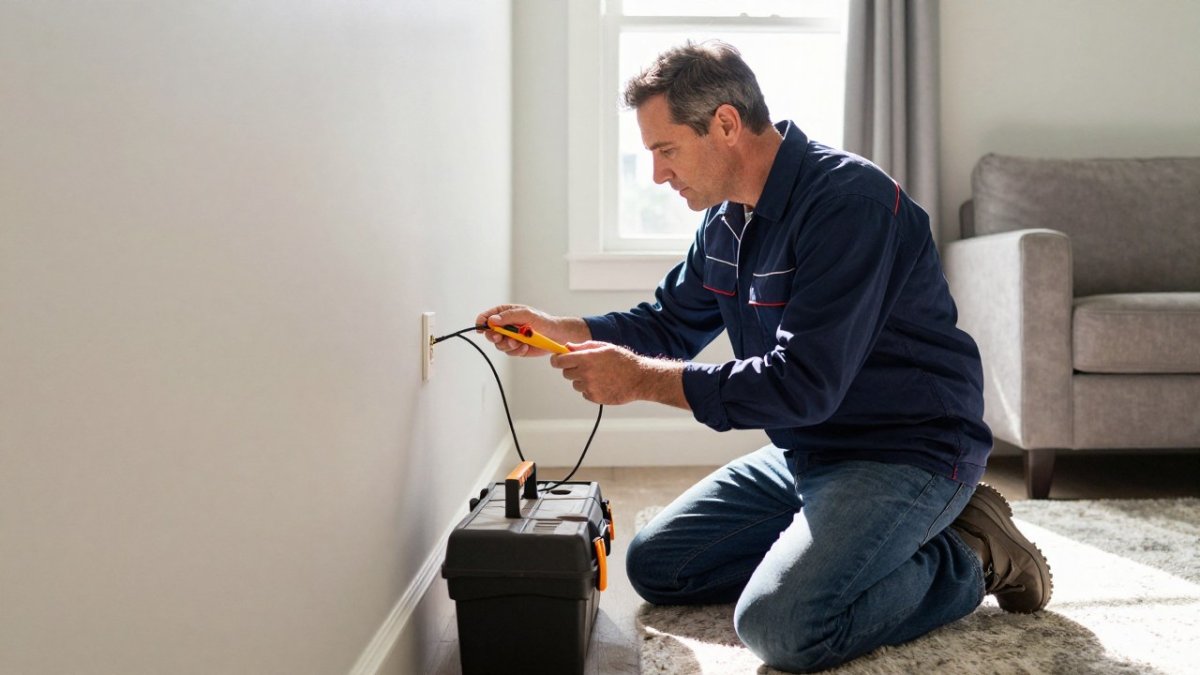
Electrical: panel upgrades, outlet replacement, lighting, generator hookups
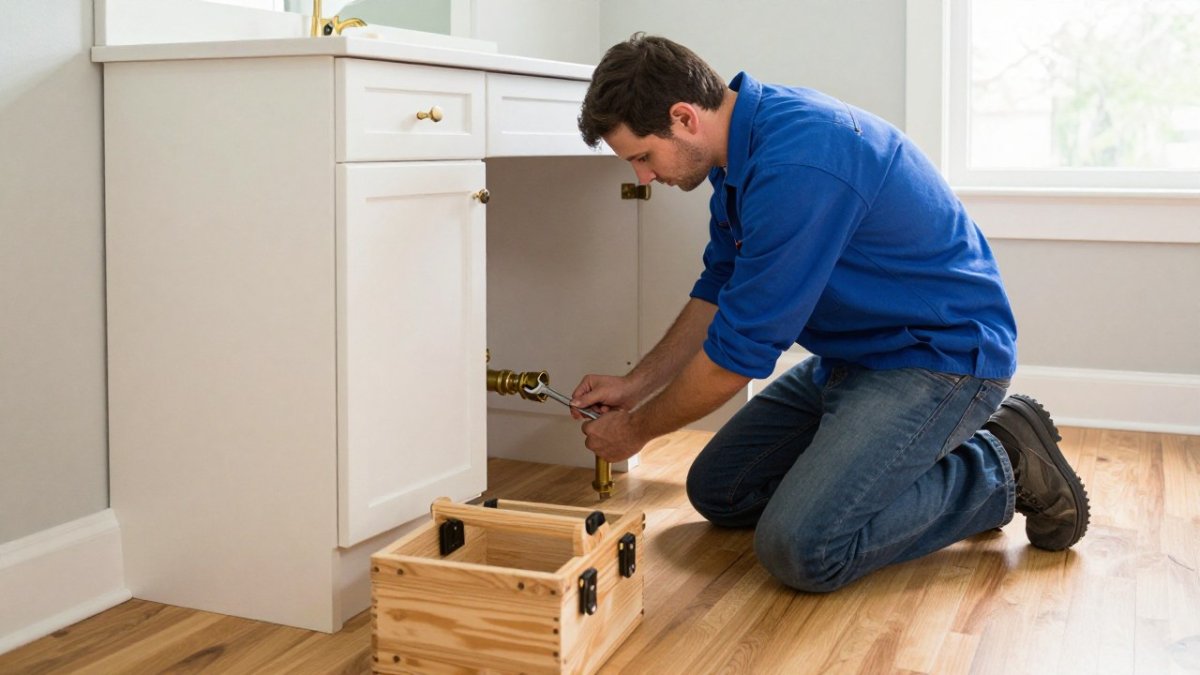
Plumbing: leak repair, fixture replacement, water heater work
Painting: interior and exterior, prep work included
Pro Tip Ask for the estimate to list each trade separately, even if one company performs all of it. Itemized quotes make it obvious when a price is inflated and give you a fair basis for comparing providers.
Jacksonville Home Repair Assistance Programs for Veterans
Most guides wave at "assistance programs" without naming one. Here is the actual structure, with the mechanisms that decide whether you get funded.
Federal VA Benefits
Two VA programs pay for home changes, and they are not interchangeable:
Specially Adapted Housing (SAH) grant, for veterans and service members with certain severe service-connected disabilities, such as loss of use of both legs or blindness in both eyes. It funds a barrier-free home or major adaptations to an existing one.
Special Housing Adaptation (SHA) grant, for veterans with specific vision or respiratory conditions, or loss of use of one leg. It funds smaller adaptations like ramps, widened doorways, and bathroom modifications.
Both require a service-connected disability rating, an application through the VA, and approval before work begins. The VA publishes current award amounts and the full eligibility list on its own pages, check those figures directly rather than trusting a forum number, because they are adjusted periodically.
State and Local Housing Programs
State and local rehabilitation programs typically target older homeowners and residents with disabilities, and they usually fund urgent safety repairs rather than cosmetic work: roof leaks, heating and cooling failures, water damage, and accessibility fixes.
Start with your local veterans service office, which can confirm which programs are currently funded and what you qualify for.
Nonprofit Home Preservation Groups
National nonprofits serving veterans and older adults run repair programs in many markets, often using volunteer labor for smaller jobs and subcontractors for licensed trades. They usually have income limits and prioritize safety issues, and because they rely on donor funding, availability varies by year and chapter.
The Eligibility Rule That Trips People Up
Three things disqualify more applicants than anything else:
Starting work before approval. Any repair completed before the grant or program signs off is generally not reimbursable.
Using a contractor who will not work with program requirements. Grant-funded jobs often require a VA-approved plan, itemized invoices, and sometimes a specific draw schedule. Ask any provider upfront whether they have done grant-funded work.
Assuming a discount equals assistance. A military discount reduces your bill; a grant pays part of it. You can sometimes use both, but only if the provider documents the work in the format the program requires.
Watch Out Never sign a contract for grant-funded work before you have written approval in hand. Verbal assurances from a contractor do not protect your reimbursement.
How to Confirm What You Qualify For
Work through this in order:
Confirm your VA disability rating and whether it meets SAH or SHA criteria
Contact your local veterans service office for current local and state programs
Ask each program for its income limits, eligible repair types, and application window
This takes longer than calling a handyman, but it is the difference between a covered repair and an out-of-pocket one.
VA Home Modification Grants: What Veterans Need to Know
VA home modification grants help eligible veterans pay for changes that make a home more accessible.
Eligibility, covered items, and award amounts change, and the VA publishes current figures directly.
Because these are federal benefits with strict documentation rules, the approval process matters as much as the repair.
Veteran Home Accessibility Modifications That Make a Difference
Veteran home accessibility modifications are the physical changes that let you move through your home safely and independently. The most requested updates have the clearest payoff:
Bathroom safety: grab bars, walk-in showers, comfort-height toilets, non-slip flooring
Entry access: wheelchair ramps, widened doorways, threshold removal
Kitchen adjustments: lowered counters, pull-out shelving, reachable storage

Getting this right comes down to measurement, not guesswork. A grab bar placed a few inches off will not bear weight safely. At TNT Repairs It, we offer ADA home evaluations so placement is based on how you actually move through the space.
Key Takeaway Accessibility work is only as good as its installation. A properly anchored grab bar and a poorly anchored one look identical on day one. The difference shows up the first time you put your full weight on it.
How to Vet a Home Repair Provider Before You Hire
Most checklists tell you to "verify the license" without telling you how. Here is the mechanism behind each step, plus the trade-offs that matter.
1. Verify the License, and Check the Right Database
In most states, the license number a contractor hands you can be looked up in a public database maintained by the state's contractor regulatory board.
A general handyman license and an electrical contractor license are not the same. Electrical, plumbing, HVAC, and structural work generally require a trade-specific license.
2. Request a Certificate of Insurance, and Read the Dates
Ask for a certificate of insurance (COI) showing general liability coverage, plus proof of workers' compensation if the company has employees. Two details matter:
The expiration date. An expired COI is not coverage.
The named insured. The policy should list the company you are hiring, not a different entity.
If a worker is injured on your property and the company has no workers' comp, the claim can fall to your homeowner's policy, a trade-off most homeowners never see until it happens.
3. Ask Who Will Actually Be on Site
Many companies subcontract. The crew that shows up may not be the company you hired. Ask directly: "Will your employees be on site, or subcontractors?" Then ask whether background checks are run on everyone entering your home. A provider who cannot answer plainly is telling you something.
4. Get a Written, Itemized Estimate
An estimate should list each trade separately, the scope of work, the materials, and a timeline, even if one company performs all of it. Itemized quotes expose inflated pricing and give you a fair basis for comparison. A lump-sum number with no breakdown is not an estimate; it is a guess.
5. Confirm How the Discount Is Calculated
Ask one direct question: "How is the military discount calculated, and is it applied before or after the estimate?" A provider who honors the discount will answer without hesitation. One who advertises it and then finds reasons not to apply it will not.
6. Check Reviews Across More Than One Platform
A single five-star review is not a pattern. Look for repeated themes across platforms, punctuality, cleanup, whether the final bill matched the estimate. One bad review among many is noise; the same complaint repeated is a signal.
7. Confirm Service Area and Emergency Response
Ask how far the provider travels and the expected emergency response time. A company that covers your area but takes three days to return an emergency call is not an emergency provider.
8. Get the Payment Schedule in Writing
Never pay in full upfront. A common structure is a deposit for materials, a progress payment, and a final payment on completion. Get it in writing before work starts.
Key Takeaway A provider who resists any of these steps is not being cautious. They are telling you how the rest of the project will go. The fifteen minutes you spend verifying is the cheapest insurance you will buy this year.
Quick Verification Checklist
License number looked up in the state database, active, and trade-specific
Certificate of insurance current, with the company named as insured
Workers' compensation confirmed if the company has employees
Conclusion
The hardest part of hiring a home repair provider is not finding someone available.
TNT Repairs It is a licensed and insured Jacksonville team offering senior and veteran discounts, ADA home evaluations and accessibility modifications, and financing for qualifying projects.
Call TNT Repairs It and get your repair scheduled with a team that shows up and does the job right.
Frequently Asked Questions
Are there home repair assistance programs for veterans in Jacksonville?
Yes. Several Jacksonville home repair assistance programs serve veterans, including city housing rehabilitation programs, nonprofit organizations, and veteran service groups. These programs may cover emergency repairs, accessibility upgrades, or general home preservation. Eligibility typically depends on income, disability status, and the type of repair needed. Contact local veteran service organizations or the city housing department to see which programs you qualify for. TNT Repairs It also offers veteran discounts on repair projects.
Can veterans get help paying for accessibility modifications to their homes?
VA home modification grants can help eligible veterans pay for accessibility updates such as wheelchair ramps, widened doorways, roll-in showers, and grab bars. The VA offers programs for both service-connected and non-service-connected veterans, though the application process and funding limits differ. Beyond VA grants, some Jacksonville home repair assistance programs and nonprofit groups provide additional funding. A licensed contractor experienced with veteran home accessibility modifications can help you plan the scope and provide documentation for grant applications.
How can veterans find a reliable home repair contractor?
Start by verifying the contractor's license and insurance through Florida's state licensing database. Ask for proof of general liability and workers' compensation coverage. Check customer reviews and ratings on local business directories. Request a written estimate that breaks down labor and materials. For veteran-specific needs, ask directly whether the provider offers a military discount and whether they have experience with accessibility modifications. A local, licensed company like TNT Repairs It can handle multiple trades under one roof so you are not coordinating several contractors.
What should veterans ask before hiring a home repair service?
Ask about licensing, insurance, and whether the company carries workers' compensation. Request a written estimate and timeline. Confirm whether the provider honors a veteran discount and how it is applied. Ask if they have experience with VA home modification grants or accessibility projects. Find out response times for emergency calls and whether they work on mobile homes or rental properties. Finally, ask for local references and check customer reviews. A trustworthy provider will answer all of these without hesitation.
Call Us!

Comments