

Do You Need a Handyman for Home Maintenance in Jacksonville?
Last Updated: November 1, 2026
Quick Summary
Yes, most Jacksonville homes benefit from a handyman for home maintenance because the heat, humidity, heavy summer rain, and seasonal storms wear down paint, wood, roofing, and caulk faster than in drier climates. A handyman typically handles small and mid-sized jobs like drywall repair, painting, door and window repair, flooring, carpentry, and tile work.
A Jacksonville maintenance checklist should follow local weather, with storm prep before the wet season and catch-up work in cooler months.
Batch several small jobs into one visit, since coordinating multiple contractors for separate repairs can take weeks.
Confirm the license number with the Florida Department of Business and Professional Regulation and get a certificate of insurance before work starts.
Permits are more likely required for work affecting structure, electrical, plumbing, gas, or additions, while painting and drywall patching typically do not need one.
For rentals, keep a separate log of tenant requests recording the date, issue, who responded, and when it was resolved.
Table of Contents
Why Jacksonville Homes Need a Year-Round Maintenance Plan
Jacksonville's heat, humidity, heavy summer rain, and seasonal storms wear down paint, wood, roofing, and caulk faster than in drier climates. Left alone, small problems become expensive repairs.
Home maintenance is the ongoing work of inspecting, repairing, and preserving a house so it stays safe, functional, and in good condition, seasonal checks, small repairs, and preventive upkeep, not just emergency fixes.
Most homeowners treat maintenance as a list of emergencies. In a humid climate, that costs far more over time.
Seasonal Home Maintenance Checklist for Jacksonville Homes
A Jacksonville maintenance checklist should follow local weather, not the calendar. Storm season drives most urgent work; the drier, cooler months are for catching up on everything else.
Spring and Summer: Heat, Rain, and Storm Prep
Spring and summer bring the heaviest rain and highest storm risk. Before the wet season peaks, walk the exterior and check these items:
Clear gutters and downspouts, and confirm water drains away from the foundation
Inspect the roof, flashing, and any loose shingles
Re-caulk windows, doors, and exterior seams
Fall and Winter: Humidity, Wind, and Dry Spells
The cooler months are milder but not maintenance-free. Humidity still works on wood and paint, and dry spells can open gaps around trim and siding.
Touch up exterior paint and seal exposed wood
Inspect the attic for moisture, leaks, or pest activity
Check weatherstripping and door sweeps
The checklist is only half the system; the other half is tracking it. Keep a simple log of what was checked, fixed, and when, so you can see what keeps failing and plan the next round.
The Repairs a Handyman for Home Maintenance Typically Handles

A handyman for home maintenance generally covers the steady stream of small and mid-sized jobs that keep a house running, such as general repairs, drywall repair, and painting.
Repair Category | Typical Jobs | When to Call |
Doors and windows | Door repair, replacement, installation, weatherstripping | Sticking, drafts, damage |
Drywall | Patching holes, cracks, water stains | After leaks or impact damage |
Painting | Interior and exterior touch-ups, full rooms | Fading, peeling, refresh |
Flooring | Repair and installation, trim, transitions | Worn areas, new installs |
Carpentry | Trim, framing repairs, shelving, cabinets | Loose or damaged wood |
Tile work | Repair, regrouting, backsplashes | Cracked or loose tile |
What most guides miss is how much these jobs overlap.
DIY or Hire a Handyman? A Decision Framework
Some jobs are fine to do yourself and some are not worth the risk. Use this framework to decide, and compare quotes on the same terms when you hire.
Do it yourself if:
The job is cosmetic and low-risk, like patching a small nail hole or touching up paint
You have the right tools and the work is at ground level
A mistake would cost little to fix
Hire a handyman if:
The job involves doors, windows, or anything that affects weather sealing
You need drywall repair, flooring, tile, or carpentry done to a finished standard
The work is above ground level or involves anything you're unsure about
Call a licensed specialist if:
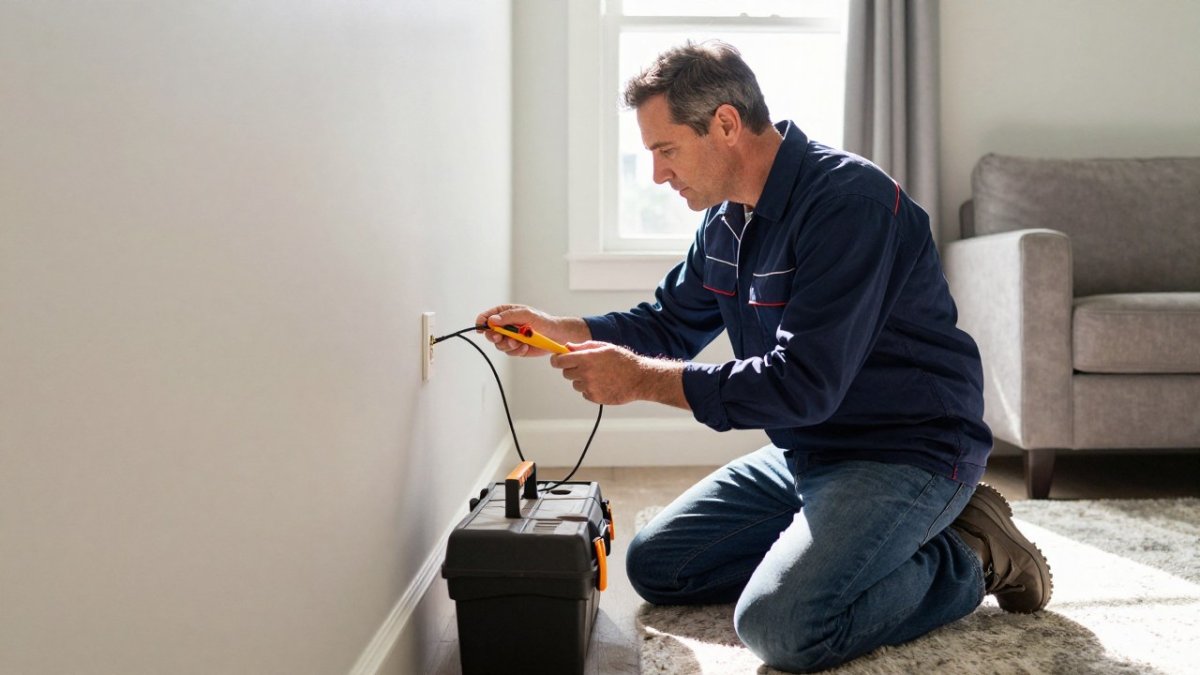
The work involves electrical, plumbing, or gas lines beyond simple swaps
You're changing the structure of the home or adding an addition
Local rules require a licensed trade or a permit for the job
The real difference between DIY and hiring comes down to risk and finish quality. A wobbly shelf you fix yourself is a learning experience. A door that doesn't seal lets in water and pests, and that gets expensive fast.
What affects the cost of a handyman visit
Pricing depends on job complexity, scope, and provider, so ask for a quote on your specific project. The factors that most often affect price are:
Scope and job count: A single small repair costs less than ten items, but batching jobs into one visit is usually cheaper per item than separate trips.
Materials: Whether the handyman supplies materials or you do changes the total. Ask which is included in the quote.
Access and height: Work above ground level, tight spaces, or moving furniture takes longer and costs more.
How to compare estimates fairly
When you collect quotes, compare them on the same terms:
Same scope in writing: Ask each provider to quote the same written list so you compare like for like.
Materials line: Confirm whether materials are included, estimated separately, or supplied by you.
Trip and minimum charges: Ask about minimum visit charges or trip fees.
Change-order policy: Understand how unexpected findings are priced before work starts.
Timeline and availability: A lower quote with a two-week wait may not be the better deal for an urgent repair.
Pro Tip A good booking conversation saves everyone time. Ask whether the provider can handle several repair types in one visit, since coordinating multiple contractors for separate jobs can take weeks.
The goal is not the lowest number. It is the clearest scope, the fewest surprises, and work that holds up.
Florida Licensing, Insurance, and Permit Considerations
This topic is often skipped, so it deserves a plain-language walkthrough. Know who you are letting into your home, what they are allowed to do, and who carries the risk if something goes wrong.
What a handyman can and cannot do
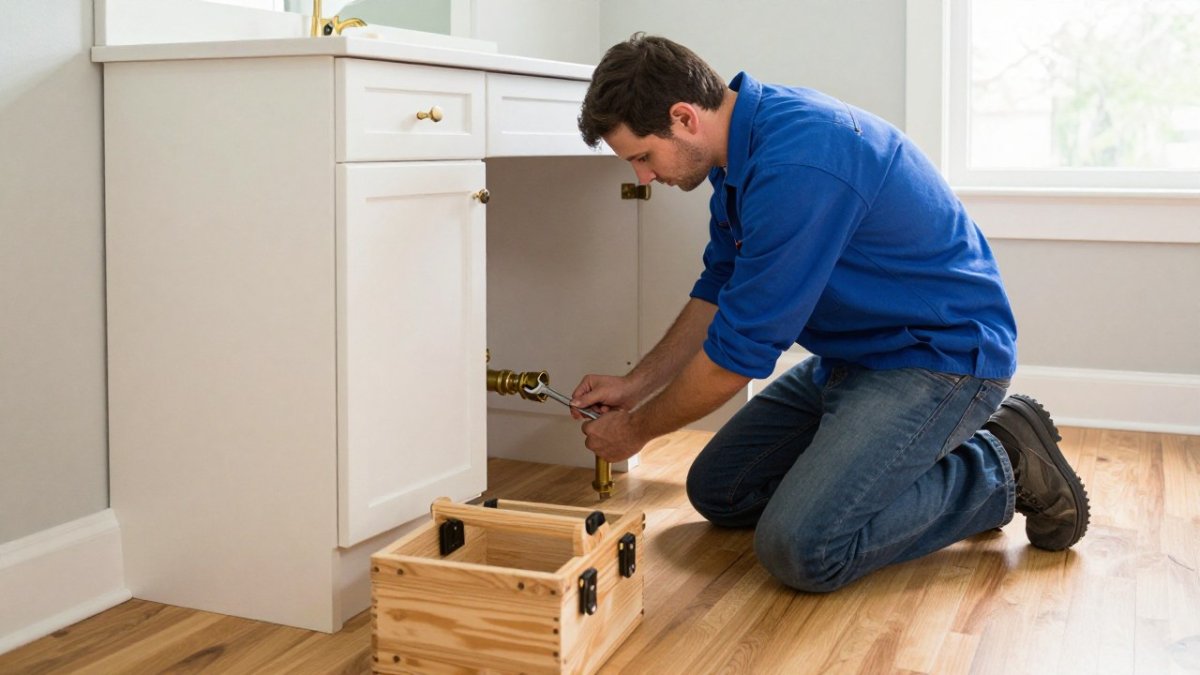
A general handyman is best suited to non-structural repairs and maintenance: patching drywall, hanging doors, replacing trim, caulking, painting, minor flooring, and similar work. Electrical wiring, plumbing lines, gas, or structural frame work generally falls to a licensed trade. A reputable handyman will tell you when a job crosses that line.
How to verify licensing and insurance
Ask for documentation before work starts, and read it carefully. A few concrete checks:
License: Confirm the business name and license number match what is listed with the state. The Florida Department of Business and Professional Regulation publishes current licensing information you can search.
General liability insurance: Ask for a certificate of insurance and confirm the policy is current and lists the business name. This covers damage to your property.
Workers' compensation: Ask whether workers are covered for on-the-job injuries. If a worker is injured on your property and is not covered, you can be exposed to liability.
Watch Out Hiring an uninsured worker shifts the risk to you. If someone is injured on your property and has no coverage, you can be exposed to liability. A certificate of insurance is not a formality, it is your protection.
When a permit may be required
Permit rules vary by project and jurisdiction, so confirm the specifics for your address. As a general rule, permits are more likely required for work affecting structure, electrical, plumbing, gas, or additions. Cosmetic repairs like painting or patching drywall typically do not require one. Your local building department can confirm requirements, and a reputable handyman will tell you when a permit is needed and who is pulling it.
A quick pre-hire checklist
License number verified with the state
Certificate of insurance on file
Workers' compensation coverage confirmed
These checks take a few minutes and separate a professional operation from a risky one.
What to Ask Before Booking and What a Visit Looks Like
A good booking conversation saves everyone time. Ask these questions before you schedule:
Are you licensed and insured, and can you send proof?
Can you give a written estimate based on the actual scope?
How do you handle jobs that turn out bigger than expected?
What's your availability, and how do you handle emergencies?
Do you offer any discounts, such as for seniors or veterans?
Can you handle several repair types in one visit?
That last question matters more than people expect. Coordinating multiple contractors for a door repair, drywall patching, and a paint touch-up eats weeks. A single skilled team can often finish the whole list in one or two visits.
Ask in advance what the visit will involve. A typical flow for any provider is to assess, quote, repair, clean up, and confirm the work before leaving.
Building a Rental Property Maintenance Checklist That Works
A rental property maintenance checklist has to do two jobs at once: protect the asset and keep the tenant happy. The best checklists separate routine upkeep from tenant-reported issues, so nothing slips.
Start with a routine schedule:
Quarterly: test detectors, check for leaks, inspect exterior
Seasonally: gutters, HVAC filters, weatherstripping, exterior paint
Annually: full walkthrough, appliance check, safety review
Then keep a separate log for tenant requests, recording the date, issue, who responded, and when it was resolved. That record protects you in a dispute and shows which repairs keep recurring.
For rental home repair scheduling, batch non-urgent work into planned visits rather than sending someone out for every small item. It costs less and disrupts the tenant less.
How the Landlord Maintenance Request Process Should Flow
A clean landlord maintenance request process protects both sides. Here's how it should work:
Tenant submits the request in writing, with photos if possible
Landlord or manager logs it with a date and priority level
Triage happens fast: emergency, urgent, or routine
A qualified pro is scheduled and the tenant is notified of the visit window
Work is completed and documented with notes and photos
The tenant confirms the issue is resolved
The record is filed for future reference
The step most landlords skip is documentation.
A handyman for home maintenance can serve as your regular repair partner, handling routine and mid-sized jobs while you keep the log and schedule.
Keeping up with a Jacksonville home takes a plan, not a scramble. If your checklist is growing faster than you can work through it, TNT Repairs It can help.
Frequently Asked Questions
How do landlords coordinate repairs for rental properties?
Start with one point of contact: a handyman or maintenance pro who handles scheduling, access, and follow-up. Build a written rental property maintenance checklist, log every tenant request with photos and a date, and set response windows (emergency, urgent, routine). Give the pro clear access instructions and a spending limit so minor fixes do not need approval each time. Keep receipts and photos in one folder per unit so you can spot repeat problems and document condition at move-out.
What maintenance tasks should landlords schedule regularly?
Put recurring items on a calendar: HVAC filter changes and coil checks, gutter cleaning before and after storm season, caulking and weatherstripping, smoke and carbon monoxide detector tests, plumbing leak checks under sinks, and exterior paint touch-ups. In Jacksonville's humidity, also inspect for mold, wood rot, and moisture near windows and doors. A handyman for home maintenance can run these visits on a set schedule, which turns surprise repairs into planned work and keeps your rental property maintenance checklist current.
When should a landlord hire a handyman instead of handling a repair?
Hire out anything involving electrical, plumbing behind walls, roofing, structural work, or permits, since Florida rules limit what unlicensed people can do. Also hire out repeat problems you cannot diagnose, and jobs that need to happen fast to keep a tenant happy. Small tasks like tightening a handle or replacing a filter are fine to do yourself. If a repair keeps coming back, that is a sign to bring in a pro and fix the cause rather than patch it again.
How often should a rental property be inspected for maintenance issues?
Walk each unit at least twice a year, plus a move-in and move-out inspection. In Jacksonville, add a check after any named storm or long stretch of heavy rain. During each walk, look at the same list every time: water stains, caulk lines, doors and windows, outlets, HVAC, and exterior drainage. Photograph what you see and date it. Regular inspections make rental home repair scheduling predictable and give you a record if a tenant disputes a deposit charge.

Comments