

Home Maintenance Checklist for Landlords: A Complete Guide
Quick Summary
A home maintenance checklist for landlords is a reusable, scheduled list of inspection tasks that catches small problems before they become costly emergencies. Use fixed columns for area, task, frequency, responsible party and condition, and inspect quarterly with seasonal additions.
Inspect most rentals quarterly, with extra seasonal checks for roofs, gutters, heating and cooling.
Assign each task to landlord or tenant in a written lease exhibit to prevent disputes.
Sort findings into immediate, soon and planned tiers, with gas odors and no heat addressed the same day.
Keep dated checklists, invoices and photos together as proof of your maintenance record.
Test smoke and CO alarms monthly and replace them when they reach end of life.
Table of Contents
Why a Home Maintenance Checklist Matters for Rental Properties
Splitting Responsibilities: What Landlords Fix and What Tenants Handle
Building Your Printable Home Maintenance Checklist for Landlords
Using a Rental Property Maintenance Checklist PDF and Template
Recordkeeping, Budgeting, and Scheduling Your Next Inspection
Why a Home Maintenance Checklist Matters for Rental Properties
A home maintenance checklist for landlords is a practical tool for keeping a rental property safe, compliant and profitable. Without one, small problems hide until they become expensive emergencies.
Preventive maintenance is simply the practice of inspecting and servicing systems before they fail. A written checklist turns that idea into a repeatable routine.
Consistency matters as much as thoroughness. A checklist you use every quarter catches problems early, creates a documented record and makes it easier to show a tenant or a court that you met your obligations.
Splitting Responsibilities: What Landlords Fix and What Tenants Handle
Clear responsibility lines prevent disputes, but "landlord fixes the big stuff, tenant handles the small stuff" is too vague to enforce.
Start from the legal baseline.
With that baseline set, assign the routine items explicitly. A common matrix looks like this:
Landlord: roof, gutters, siding, foundation drainage; structural repairs; water heater, furnace, and central HVAC service; electrical panel and wiring; plumbing supply and drain lines; smoke and CO alarm replacement when they reach end of life; pest control for structural or exterior infestations; snow and ice removal from common areas where required.
Tenant: replacing light bulbs and HVAC filters on the schedule the lease specifies; keeping the unit clean and free of conditions that attract pests; reporting leaks, mold, or system failures promptly; minor lawn and yard care if the lease assigns it; unclogging drains caused by their own use; not disabling smoke or CO alarms.
Shared or negotiable: appliance repairs (specify whether the landlord repairs or replaces, and whether the tenant pays for damage caused by misuse); winterization steps such as disconnecting hoses and keeping heat at a minimum set point; pest treatment when the cause is tenant behavior versus building conditions.
Write the matrix into the lease as an exhibit rather than burying it in prose.
Watch out: blanket clauses that push all repairs onto tenants, or that waive the landlord's habitability duties, may be unenforceable depending on your state.
Building Your Printable Home Maintenance Checklist for Landlords
A checklist only earns its keep if it is reusable, field-complete, and tied to a schedule. Instead of a category list, build a master template with fixed columns so every inspection produces comparable records. The columns that matter:
Area (interior, exterior, plumbing, HVAC, appliances, life safety)
Task (specific enough that a contractor or tenant can act on it)
Frequency (monthly, quarterly, seasonal, annual, at turnover)
Responsible party (landlord, property manager, tenant, licensed vendor)
Condition rating (good, fair, needs repair, safety hazard)
Action and due date
Photo reference and invoice number
Populate the task rows from these core categories, and set the frequency for each:
Interior (quarterly and at turnover): walls and ceilings for water stains or bubbling paint; doors, locks, and deadbolts for function and alignment; windows and seals for drafts and cracks; flooring for trip hazards; caulk and grout in bathrooms and kitchens for gaps or discoloration.
Exterior (seasonal): roof shingles for missing, lifted, or granule loss; gutters and downspouts for clogs and proper discharge away from the foundation; siding and paint for cracking or rot; walkways and steps for heaving or loose railings; grading and drainage for ponding near the foundation.
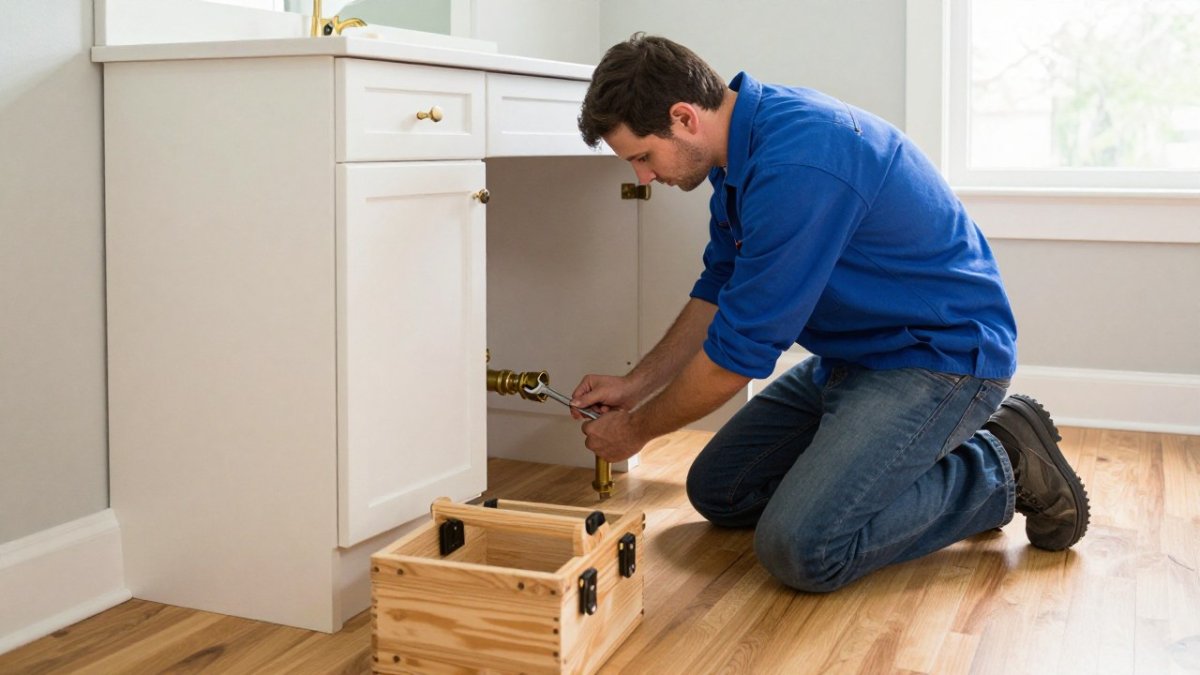
Plumbing (quarterly): visible supply and drain lines under sinks for weeping; water heater for leaks, corrosion, and temperature setting; toilets for rocking, running, or weak flush; water pressure at fixtures.
HVAC (monthly filter check, seasonal service): filter condition and replacement date; condensate drain and pan for clogs or standing water; thermostat operation and battery; outdoor unit clearance and coil condition.
Appliances (quarterly): range and oven operation; refrigerator temperature and door seals; dishwasher for leaks; dryer vent and lint path for blockage.
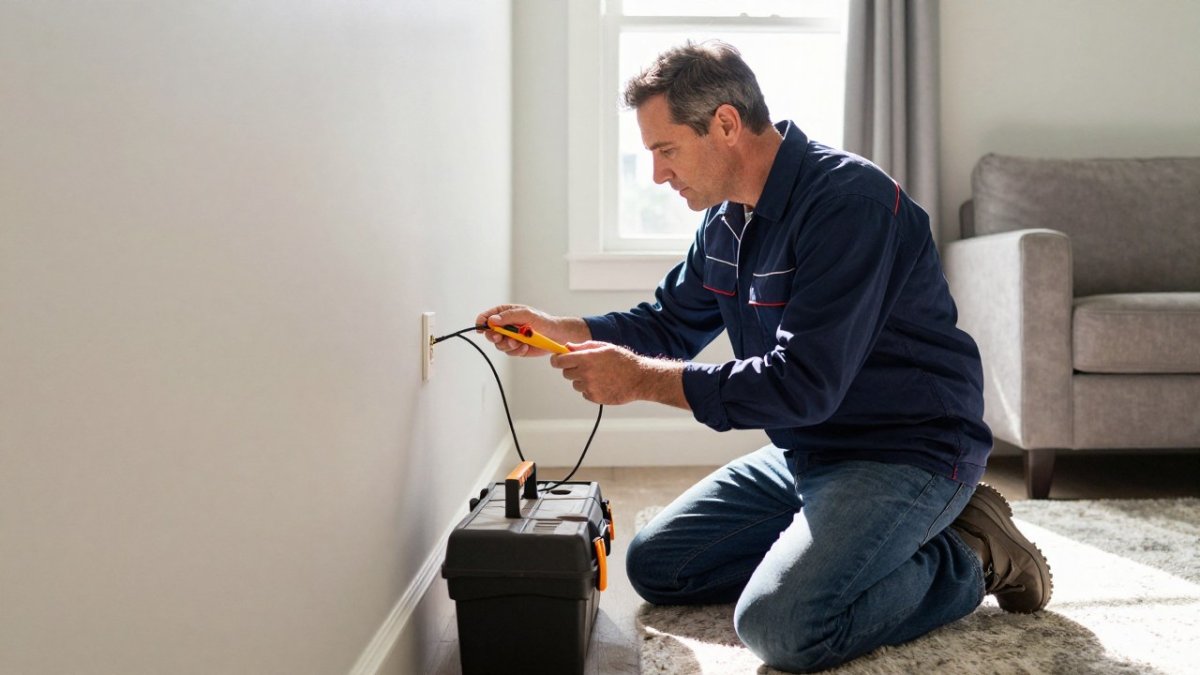
Life safety (monthly test, annual replacement as needed): smoke alarms and CO alarms tested and dated; fire extinguisher gauge and service tag; exit lighting and egress paths clear.
Make the template reusable. Keep one master file and duplicate it per property and per inspection so records stay consistent across a portfolio.
Watch out: a checklist that lives only on a clipboard gets lost between visits. Store completed copies, photos, and invoices in the same property file as the lease and inspection reports, and note the next due date on the last page before you leave the site.
Seasonal Rental Property Maintenance Checklist by Quarter
A seasonal rental property maintenance checklist spreads the work across the year so no single visit becomes overwhelming. Quarterly inspections are a practical baseline for most rentals.

Spring and Summer Tasks
Spring is the time to address damage from winter. Inspect the roof for missing or lifted shingles, clear gutters and check that downspouts direct water away from the building. Test exterior drainage and look for soft spots in decks or railings.
Summer inspections focus on cooling and exterior wear. Service the air conditioning system, replace the filter, and check condensate lines. Inspect exterior paint and caulking around windows and doors, and look for pest entry points. Clean dryer vents to reduce fire risk.
Fall and Winter Tasks
Fall preparation protects the property from cold weather. Have the heating system serviced, test the thermostat and confirm the furnace runs safely. Insulate exposed pipes in unheated spaces and disconnect outdoor hoses.
Winter checks should focus on freeze damage and moisture. Look for condensation, ice dams and drafts around doors and windows. Test smoke detectors and carbon monoxide alarms, replacing batteries as needed. Confirm that the water heater is working and that the property stays heated when vacant.
The article splits seasonal work into spring-summer and fall-winter tasks, summarised below.
Season | Key tasks | Focus |
Spring | Inspect roof, clear gutters, check drainage | Damage from winter |
Summer | Service AC, replace filter, clean dryer vents | Cooling and exterior wear |
Fall | Service heating, insulate pipes, disconnect hoses | Cold weather protection |
Winter | Check condensation, ice dams, drafts; test alarms | Freeze damage and moisture |
Prioritizing Repairs by Urgency and Risk
Not every issue deserves the same response time. Sort findings into three tiers:
Immediate: gas odors, active leaks, electrical sparking, no heat in cold weather, non-working smoke or CO alarms. Address these the same day.
Soon: slow drains, a failing exhaust fan, a loose handrail, worn weatherstripping. Schedule within one to two weeks.
Planned: cosmetic wear, aging paint, end-of-life appliances. Add these to your budget and timeline.
Ranking by risk keeps your limited time and money focused on what protects tenants and the building. A single overlooked gas leak carries far more consequence than a scuffed wall.
Using a Rental Property Maintenance Checklist PDF and Template
A digital rental property maintenance checklist PDF is easy to share with tenants and contractors and to store alongside lease records. Choose a template with fields for the property address, inspection date, inspector name, condition rating (good, fair or needs repair), notes and photo references.
When customizing a property maintenance checklist template, add items specific to your building, such as a boiler, a shared laundry room or a pool. Remove items that do not apply. Keep one master template and duplicate it for each inspection so records stay consistent.
Recordkeeping, Budgeting, and Scheduling Your Next Inspection
Records are your proof. Keep dated checklists, repair invoices, photographs and tenant communications together for each property. Many landlords retain these for several years, and your local rules or insurer may require a longer period.
Budget for maintenance as a percentage of rental income and set aside reserves for major replacements such as roofs, water heaters and HVAC systems.
Schedule your next inspection before you finish the current one. Put the date on your calendar, assign the work and note any open items for follow-up.
Book Your Next Rental Maintenance Visit with TNT Repairs It
Keeping up with a rental portfolio takes time most landlords do not have. TNT Repairs It is licensed and insured and handles carpentry, plumbing, electrical and painting. Our team is available 24/7 for urgent calls. For current pricing, contact us for a quote. Call us today and let us help you keep your property safe and ready to rent.
Frequently Asked Questions
How often should landlords inspect and maintain a rental property?
Most landlords do a full interior and exterior inspection at least once a year, with lighter walkthroughs each season. Check smoke detectors and HVAC filters more often, typically every quarter or when a tenant moves in or out. Inspections between tenants are the best time for deeper work like caulk, grout, and dryer vent cleaning. Record each visit with dated photos so you can show what condition the home was in at every step of the lease.
Which maintenance services do landlords need the most?
Landlords most often need help with HVAC service, plumbing leaks, water heater checks, roof and gutter repairs, and appliance fixes. Exterior work like siding, exterior paint, and sealing windows and doors also comes up regularly. Pest control and mold checks are common priorities in humid conditions. Scheduling these before they fail is usually cheaper than emergency calls.
What maintenance tasks should landlords complete between tenants?
Between tenants, focus on the items a new occupant will notice first: deep cleaning and carpet cleaning, repainting scuffed walls, replacing air filters, and testing locks and smoke detectors. Inspect plumbing under sinks for leaks and run every faucet and drain. Clean dryer vents and check appliances. Take move-out and move-in photos so you can separate normal wear from damage the tenant caused.
What should a landlord check during a seasonal property inspection?
A seasonal inspection covers the roof, gutters, and drainage; exterior walkways and entry points; windows, doors, seals, and locks; HVAC system performance and air filters; and water heater condition. Test smoke detectors and emergency alarms, and look for signs of water damage or mold. Note any caulk or grout that needs replacing. Keep your findings on a single checklist so trends show up over time.
What is the best checklist for home maintenance in a rental?
The best checklist is one you will actually use: organized by season or frequency, with a space to note the date, the inspector, and any photos taken. It should separate interior, exterior, major systems, and life-safety items, and mark which tasks are the landlord's responsibility under the lease. A printable version works well for walkthroughs, and a digital copy makes it easy to share with a maintenance company. Review and update it after every tenant turnover.
What are the most common home maintenance issues in rental properties?
Common problems include roof leaks, clogged gutters, plumbing leaks under sinks, water heater failures, worn HVAC air filters, dead smoke detector batteries, failed caulk around tubs, and dryer vent lint buildup that creates fire risk. Pest entry points and mold from moisture are frequent concerns in humid climates. Catching these on a routine inspection is far cheaper than responding to tenant complaints or water damage claims.
How do I split repair responsibilities between a landlord and a tenant?
Start with the lease, which should state who handles routine tasks like replacing light bulbs, changing filters, or mowing the lawn. Generally, landlords are responsible for major systems, structural elements, and conditions that make the home unsafe or uninhabitable. Tenants are typically responsible for damage they cause and for reporting problems promptly. Put repair requests in writing, and keep records of who was notified and when.
Can TNT Repairs It handle maintenance for rental properties?
TNT Repairs It works with homeowners and property managers in Jacksonville, Florida, handling carpentry, plumbing, electrical, and painting work. The team is licensed and insured. Pricing depends on the scope and timing of the work, so contact TNT Repairs It through its website for a current quote.
Frequently Asked Questions
How often should a landlord inspect a rental property?
Most landlords inspect quarterly, with a more thorough annual review. Add inspections at move-in and move-out, and after severe weather.
Who is responsible for emergency repairs in a rental?
Landlords are generally responsible for structural, plumbing, electrical, heating and safety system emergencies. Confirm the specific duties under your state and local law.

Comments