

Rental Property Maintenance Services in Jacksonville, FL
Last Updated: November 14, 2026
Quick Summary
Rental property maintenance in Jacksonville covers routine upkeep, scheduled preventive work, and repairs, including HVAC service, plumbing checks, appliance repair, pest control, and turnover work. Humidity, heavy rain, and coastal salt air make regular inspections especially important for local rentals. Owners who catch small problems early usually spend less over time.
Replace HVAC air filters every one to three months, depending on tenants and pets.
Check the condensate drain before summer, since clogs can cause water damage.
Put a written maintenance responsibility matrix in the lease as an addendum.
Verify a provider's state license and request a certificate of general liability insurance.
Keep dated photos, invoices, and written work descriptions for every job.
Need reliable rental maintenance in Jacksonville?
TNT Repairs It handles licensed, insured repairs and keeps tenants informed from start to finish.
Table of Contents
Finding reliable rental property maintenance services in Jacksonville, FL can feel like a gamble. Landlords and property managers here deal with humid summers, heavy rain, and the occasional storm, and every one of those puts wear on a rental. At TNT Repairs It, we handle maintenance and repairs for rental homes. This guide walks through what rental maintenance covers, a checklist you can use, and how to choose a provider you can trust.
What Rental Property Maintenance Covers in Jacksonville
Rental property maintenance is the ongoing work that keeps a home safe, livable, and ready for the next tenant. It includes routine upkeep, scheduled preventive work, and repairs when something breaks. In practice, that means HVAC service, plumbing checks, appliance repair, landscaping, pest control, and turnover work between tenants.
Jacksonville rentals face a few specific pressures. High humidity encourages mold and wood rot, and salt air near the coast speeds up corrosion on outdoor fixtures. Owners who treat these as routine concerns rather than emergencies usually spend less over time.
A common mistake is waiting for a tenant to report a problem. By then, a small leak may have soaked into the subfloor. Scheduled inspections catch these issues while they are still inexpensive to fix.
Rental Property Maintenance Checklist for Jacksonville Owners
Use this checklist as a starting point. Adjust it based on your property's age, systems, and tenant turnover.

Replace HVAC air filters every one to three months, depending on tenants and pets
Check exterior caulking and window seals for gaps that let in humidity
Test smoke and carbon monoxide detectors and replace batteries
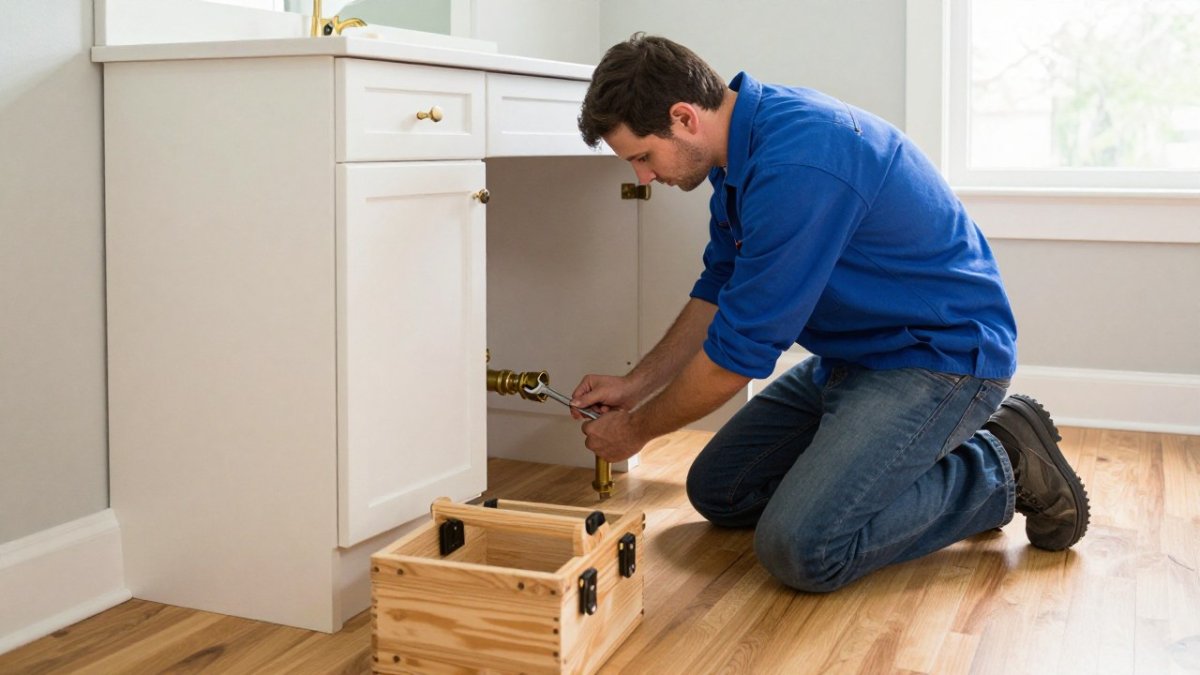
Inspect under sinks and around toilets for slow leaks
Clear gutters and downspouts so water drains away from the foundation
Check the water heater for leaks, corrosion, and proper temperature settings
Look for signs of pests, including droppings, chewed wood, and trails
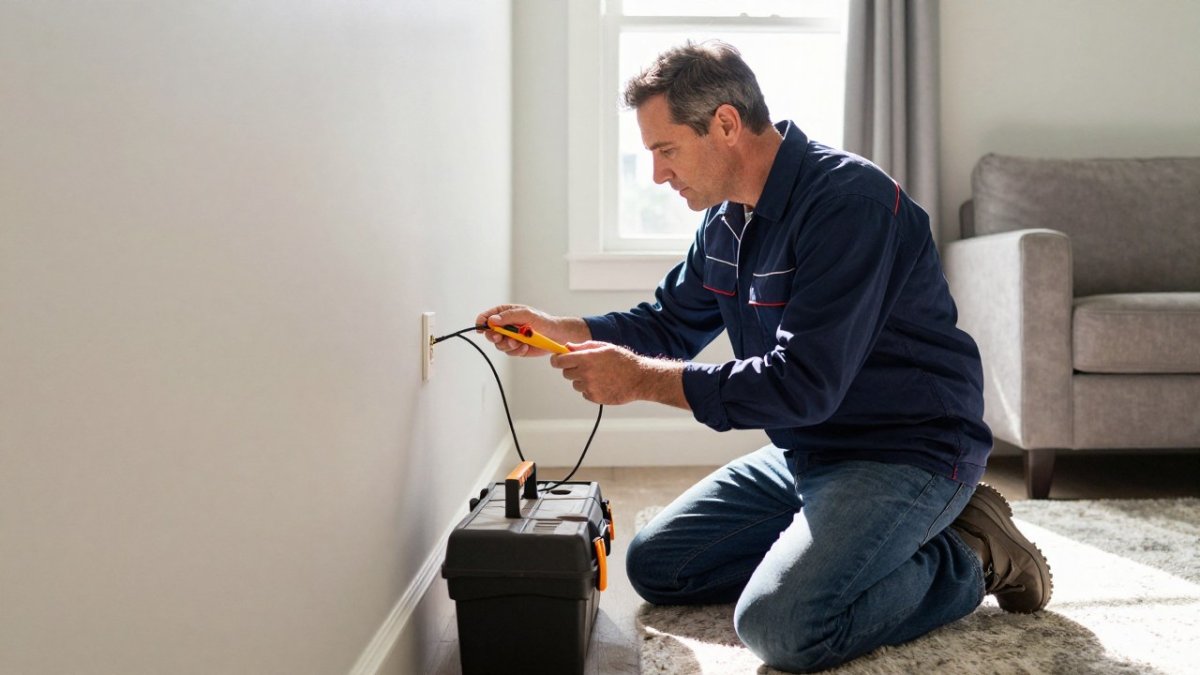
Test GFCI outlets in kitchens, bathrooms, and outdoor areas
Trim trees and shrubs away from the roof and exterior walls
Document the property's condition with dated photos before each new lease
Keep a simple log of each item, the date it was completed, and who did the work.
Seasonal Checks for Northeast Florida Humidity and Storms
Humidity drives most seasonal maintenance here. Before hurricane season starts in June, check roof shingles, secure loose fencing, and confirm that storm shutters or impact-rated windows work properly. After heavy rain, walk the property and look for ceiling stains, damp carpet, and standing water near the foundation.
In the cooler months, have the HVAC system serviced before peak summer use. Run the system through a full cooling cycle and check the condensate drain, which can clog and cause water damage if neglected.
Landlord Maintenance Responsibilities: Owner Versus Tenant
Most maintenance disputes between a landlord and a tenant come down to one question: whose job was this? A written responsibility matrix answers that question before it becomes an argument. The matrix below reflects common practice for single-family rentals and small multifamily properties. Use it as a starting point, then confirm the specifics against your lease and consult a qualified attorney, because obligations can vary by property type and lease terms.
Item | Usually Owner | Usually Tenant |
Roof, siding, foundation, and structural repairs | Yes | No |
HVAC system repair and replacement | Yes | No |
Water heater repair and replacement | Yes | No |
Plumbing lines, supply pipes, and drains | Yes | No |
Major appliance repair (refrigerator, range, dishwasher) | Yes, if supplied in lease | No |
Replacing HVAC filters | Often shared | Often shared |
Replacing light bulbs and batteries in remotes | No | Yes |
Keeping drains clear of hair and grease | No | Yes |
Reporting leaks, pests, or damage promptly | No | Yes |
Lawn care and landscaping | Depends on lease | Depends on lease |
Pest control for infestations | Yes | No |
Pest control for tenant-caused conditions (food waste, clutter) | No | Yes |
Damage beyond normal wear and tear | No | Yes |
Smoke and carbon monoxide detector testing | Shared | Shared |
A few patterns are worth calling out. Structural systems, HVAC, plumbing lines, and the water heater almost always fall to the owner because they affect habitability. Consumables and housekeeping items, such as light bulbs, filters, and drain clogs caused by daily use, usually fall to the tenant. Landscaping is the item most often negotiated, so put the answer in the lease rather than leaving it to habit.
Write the matrix into the lease and attach it as an addendum. Spell out how tenants submit maintenance requests, what counts as an emergency, and the response window you commit to. A tenant who knows the process is less likely to escalate.
Watch out: a tenant who reports a leak and gets no response for weeks may escalate the issue. Keep every message and work order, with dated written requests and documented responses.
For owners managing several properties, a one-page responsibility sheet per property, signed at move-in, can help clarify expectations.
How to Coordinate Home Repairs for Rentals Without Disrupting Leases
Most repairs can be scheduled around a tenant's routine. Give written notice describing the work, the expected window, and how to reach you, following the timeframe your lease requires. Offer a range of arrival times so the tenant can plan.
Group related work into a single visit when possible. A plumber repairing a bathroom leak can often check the adjacent kitchen sink at the same time. Batching jobs reduces the number of times someone enters the home and keeps costs predictable.
For urgent problems such as a burst pipe or a failed AC unit during a heat wave, act first and notify the tenant as soon as practical. Keep a copy of every notice and every invoice.
How to Vet Local Rental Maintenance Providers
Choosing a provider is the decision that most affects your results, and a five-minute phone call is not enough to make it. Use the checklist below to compare providers on the things that actually predict whether the work gets done right.
Licensing and registration. Ask for the provider's state license number and verify it through the state's online license lookup. For trades that require a license, such as electrical, plumbing, and HVAC, confirm the individual technician holds the right credential, not just the company. A general handyman can handle many small jobs, but not work that requires a licensed trade.
Insurance. Request a certificate of general liability insurance and, if the provider has employees, proof of workers' compensation coverage. Call the insurer to confirm the policy is current. If an uninsured worker is injured on your property, the claim can come back to you.
Written estimates and scope. A clear estimate lists labor, materials, the scope of work, and what is excluded. Vague quotes often lead to surprise charges. Ask whether the estimate is fixed or time-and-materials, and get the answer in writing.
Warranty and callbacks. Ask how long the provider warrants labor and whether manufacturer warranties on parts are passed through to you. A provider who stands behind the work will put the warranty in the estimate.
Documentation. Every job should produce dated photos before and after, an invoice that matches the estimate, and a written description of what was done. This record matters for insurance claims, tenant disputes, and tax records.
Tenant communication. The right provider coordinates directly with tenants, gives proper notice, and respects lease terms. Ask how they handle scheduling and whether they will send you updates without being chased.
Response times. Find out the standard response window for routine requests and the after-hours process for emergencies. Get both in writing.
When comparing providers, compare the same scope of work line by line rather than on the total alone.
Watch out: a provider who cannot produce a license number or certificate of insurance on request is not worth the risk, no matter how good the price looks.
Rental Property Maintenance Services in Jacksonville: What Reviews Tell You
Online reviews reveal patterns that a sales pitch will not. Look for comments about punctuality, communication, and whether problems stayed fixed. Pay less attention to a single extreme review and more to repeated themes across many reviews.
Be cautious with reviews that all arrived in the same short period or that repeat identical wording. Read the reviews that mention specific jobs, such as a water heater replacement or a turnover cleaning, since they describe real experiences.
Use reviews as one input among several. Combine them with licensing checks, references, and a written estimate before you hire anyone.
Scheduling Your Next Rental Repair With TNT Repairs It
At TNT Repairs It, we serve rental owners, property managers, and landlords across Jacksonville with licensed, insured repair and maintenance work. We handle the scheduling, keep tenants informed, and stay with the project from start to finish so you don't have to chase updates. We are available 24/7 for contact, and you can call us to discuss your rental's needs or request a quote. For current pricing, please contact us directly, since costs depend on the scope of each job.
Frequently Asked Questions
What is considered maintenance on a rental property?
Maintenance on a rental property covers routine upkeep and repairs that keep the home safe, working and livable. Routine items include changing HVAC filters, checking for leaks under sinks, testing smoke and carbon monoxide detectors, cleaning gutters, and keeping the yard trimmed. Repairs cover broken appliances, failed plumbing fixtures, damaged flooring, and worn door locks. Landlords should track both in a written log so every request, date and completed repair is documented for future reference.
How often should a rental property be inspected?
Most landlords inspect a rental property at least once a year and again at each tenant turnover. Many also schedule a quick walkthrough every few months to catch small problems early, such as a dripping faucet or a damp spot near a window. Check HVAC filters on a regular schedule, and inspect the roof and gutters before the rainy season in Jacksonville. Give tenants proper written notice before any inspection, as your lease requires.
How do you coordinate repairs for a rental property?
Start by giving tenants a clear, written way to submit maintenance requests, such as an online form or a phone line. Sort each request by urgency: safety and water issues come first, then systems like heating and cooling, then cosmetic fixes. Confirm the repair date with the tenant, provide the service provider with access details, and follow up after the job to confirm the work is complete. Keep receipts and notes for every repair so you can track costs and recurring problems.
Is it worth using a property management company for maintenance?
A property management company can be worth it if you own several units, live out of town, or do not want to handle late-night calls. A property management company can coordinate vendors and keep records. Ask any company how it vets contractors, how quickly it responds to emergencies, and how it reports costs to you. Compare its fees against the time and stress you would otherwise spend managing repairs yourself.

Comments